June 9, 2026

Becoming a certified yoga teacher is an exciting milestone, but the real adventure begins when you step into the world of opportunities that lie ahead. Whether you’re drawn to teaching, sharing your wisdom, or exploring new avenues for growth, your yoga teacher training (YTT) can unlock a variety of ways to turn your passion into a fulfilling and financially sustainable career.
From leading transformative retreats to creating engaging online courses, there are countless paths to make your YTT work for you, allowing you to craft a career that reflects your unique skills, lifestyle, and financial goals.
Ready to explore your possibilities? Here are 15 inspiring ways to monetize your YTT certification, each with its own set of exciting opportunities and considerations.
1. Open a Yoga Studio

For many new yoga teachers, opening a studio is the dream: a space of your own where you can design everything from the class schedule to the studio vibe to the types of students you attract. The idea of crafting your own yoga sanctuary sounds incredible, right? And it absolutely can be! But while opening a studio is deeply rewarding, it also comes with serious responsibilities, from financial investment to business management and the daily challenges of running a space.
If a studio is in your future, do your research first. Talk to current studio owners, study your target market, and map out a realistic financial plan that includes start-up costs, operational expenses, and expected cash flow. A clear vision and a solid plan will set you up for success.
Why Opening a Studio Can Be Amazing:
The Challenges to Be Aware Of:
If owning a studio is your goal, go for it, just go in prepared. The more clarity you have on your role, responsibilities, and long-term vision, the higher your chance of creating a thriving studio that truly makes a difference.
Want to take this route? Check out our guide on How to Open a Successful Yoga Studio
2. Teach at an Established Studio

One of the most straightforward ways to start teaching after YTT is by working at an existing yoga studio. It allows you to gain experience, connect with students, and refine your teaching skills without the stress of managing a business. Studios already have built-in marketing, memberships, and class schedules, meaning you can focus on what you love: teaching.
Why Teaching at a Studio Can Be a Great Option:
Things to Keep in Mind:
While studio teaching might not be the most lucrative long-term option, it’s an excellent starting point. Many teachers combine studio work with private lessons, workshops, or online classes to diversify their income while still enjoying the benefits of a built-in yoga community.
3. Offer Private Yoga Lessons

Private yoga lessons can be a deeply rewarding way to teach, both personally and financially. Many students prefer one-on-one instruction to work on specific goals, injury recovery, or personal growth. As a teacher, private sessions challenge you in exciting ways. Some clients will be brand new to yoga, while others might be more advanced than you, which keeps you learning, adapting, and getting creative in your teaching approach.
Plus, private lessons often come with higher earning potential since you can set your own rates based on experience, specialization, and location. You also have more flexibility with scheduling and can offer in-person or virtual sessions, allowing you to work in a way that fits your lifestyle.
Why Private Lessons Can Be Amazing:
Things to Consider:
If you enjoy personalized teaching, deeper connections, and creative lesson planning, private lessons can be one of the most fulfilling ways to teach yoga. Plus, as you gain experience, you can niche down, focusing on athletes, prenatal clients, beginners, corporate wellness, or injury recovery, to attract the right clients and increase your income potential.
4. Lead Yoga Retreats

If you’re passionate about travel, wellness, and immersive experiences, leading yoga retreats can be one of the most rewarding and profitable ways to share your yoga practice. Imagine combining your love for teaching with the excitement of exploring new cultures, interacting with students, and learning from other traditions around the world. There’s something deeply transformative about taking a group of students to a remote retreat setting where they can disconnect from the hustle and bustle of daily life and fully immerse themselves in yoga and nature.
Retreats also allow you to build deeper connections with your students. Since retreats are often more intimate and personal, you have the chance to interact with attendees on a more meaningful level, helping them work through physical, emotional, and spiritual growth. The experience can be life-changing for everyone involved, both teachers and students alike. Plus, many retreats are hosted in breathtaking locations, offering a chance for you to experience new cultures, visit exotic places, and expand your perspective as you learn from different traditions and ways of life.
Why Leading a Yoga Retreat Can Be Incredible:
Things to Consider Before Jumping In:
Leading yoga retreats is incredibly fulfilling, offering you the chance to teach in a new environment and share the transformative power of yoga with others. While it requires a solid plan, attention to detail, and the ability to navigate potential risks, the experience of bringing students to a retreat is worth the effort. If you’re ready for the challenge, retreats can bring not only professional growth but also a sense of personal enrichment that only comes from combining yoga, travel, and deep connection.
5. Create an Online Yoga Course or Membership

Online yoga courses and memberships provide a powerful way to share your knowledge, generate income, and reach students worldwide without the need for in-person classes. Whether you’re passionate about helping beginners build confidence, guiding advanced students through deeper practices, or offering specialized content like yoga for athletes or stress relief, an online course allows you to create something valuable and unique.
But here’s the key: the most successful online courses don’t just teach generic yoga sequences; they solve a specific problem. Think about what you do best. Do you have a knack for helping busy professionals fit yoga into their day? Are you passionate about working with seniors or prenatal students? Your superpower is what will make your course stand out in a crowded online space.
Why Creating an Online Course Can Be Amazing:
The Challenges to Keep in Mind:
If you’re ready to create an online course, start by identifying a niche that excites you and solves a real need for your students. Whether you focus on mindful movement, injury recovery, or helping beginners gain confidence, your course should be something that sets you apart and provides real value.
6. Start a Yoga Blog or YouTube Channel

If you love sharing your knowledge through writing or video content, starting a blog or YouTube channel can be a fulfilling and profitable way to reach a broad audience. Many yoga teachers use these platforms to offer educational content, share their experiences, and build a personal brand that attracts students for other services, such as online courses, private sessions, or retreats.
The best part? There are endless ways to share yoga beyond the traditional “teacher on a mat” format. If you don’t feel comfortable on camera, you can create guided meditations set to inspiring visuals, sound healing videos featuring instruments like singing bowls, or written blogs that dive deep into philosophy, breathwork, or wellness topics. Your voice and unique perspective matter, whether you show your face or not.
Why a Blog or YouTube Channel Can Be a Great Option:
The Reality of Content Creation:
Starting a blog or YouTube channel can be a fantastic way to share your passion and connect with students across the globe. Just be sure to focus on content that excites you and reflects your authentic voice. When you genuinely love what you’re creating, your audience will, too.
7. Teach Corporate Yoga

Bringing yoga into the workplace is an incredible way to introduce the practice to people who might never step into a studio. Corporate yoga programs promote stress relief, productivity, and overall well-being—offering employees an accessible way to move, breathe, and reset during their workday. For yoga teachers, this niche can provide a stable income stream with well-paying, recurring contracts.
One of the biggest opportunities in corporate yoga is adapting the practice to meet the needs of desk-bound employees. Long hours of sitting lead to tight hips, hunched shoulders, and overall stiffness, meaning classes should focus on mobility, posture, and stress relief rather than complex sequencing. This can be both a challenge and a creative opportunity: finding ways to make movement accessible within office environments, offering chair yoga or short desk-friendly stretches, and balancing physical benefits with mindfulness practices.
Why Corporate Yoga Can Be a Great Opportunity:
Things to Consider:
Corporate yoga is an excellent way to make yoga more inclusive while building a sustainable teaching career. If you enjoy working with a diverse group of students and crafting sequences tailored to their needs, this niche could be a fulfilling and financially rewarding path.
8. Sell Yoga-Related Merchandise

Not everyone who completes YTT is drawn to teaching, and that’s okay! Selling yoga-related products allows you to support the yoga community while building a sustainable income stream, whether as a side hustle or your primary focus. From high-quality mats and eco-friendly apparel to handcrafted props and wellness products, there’s a growing market for thoughtfully curated yoga gear. You can integrate retail into your existing yoga business, launch an independent online shop, or even work in a studio or sporting goods store to help others find the right products for their practice.
One of the best aspects of this path is its flexibility. Running your own online shop allows you to curate unique, high-quality items that align with your values, while working in a yoga studio or retail store provides steady income and hands-on experience in the industry. Selling commission-based products, partnering with ethical brands, or promoting affiliate links are additional ways to monetize your passion without handling inventory yourself.
Why Selling Yoga Gear Can Be a Great Option:
Challenges to Consider:
Selling yoga-related products can be an incredibly fulfilling way to stay connected to the yoga world, even if you don’t want to teach. Whether you create your own handmade props, work in a retail setting, or run an eCommerce store, this path allows you to uplift and equip fellow yogis while building a business that aligns with your values.
9. Become a Yoga Teacher Trainer

For experienced yoga teachers looking to expand their impact, guiding future instructors through a Yoga Teacher Training (YTT) program can be one of the most fulfilling career paths. Beyond just teaching asana, this role allows you to mentor students on their own yoga journeys, helping them refine their skills, deepen their understanding, and build confidence as future teachers. It’s a chance to not only share your wisdom but also to shape the future of yoga in a meaningful way.
Why Becoming a Yoga Teacher Trainer Can Be So Rewarding:
Ethical Considerations & Challenges to Keep in Mind:
If you’re passionate about mentorship, leadership, and expanding your professional impact, becoming a teacher trainer can be an incredibly fulfilling way to grow your career. It allows you to move beyond daily class instruction and into a role that leaves a lasting imprint on the yoga community. If you’re interested in more information about our partner school Yogamu’s advanced certificate opportunities, explore here, and feel free to contact me for more information.
10. Write a Yoga Book or eBook

If you have valuable insights or expertise to share, writing a book or eBook can be an incredible way to establish yourself as an authority in the yoga community and reach a wider audience. Whether it’s about your personal journey, a unique perspective on yoga philosophy, or specialized teachings, a book allows you to share your voice and knowledge in a lasting way.
One of the most beautiful aspects of writing in the yoga world is that it gives readers the chance to engage with different perspectives. Yoga is a living tradition, and reading a variety of books from ancient texts to modern interpretations can deepen your understanding. Offering your own take on yoga can be incredibly valuable for students looking for a different lens through which to view their practice. Meeting your audience’s needs and speaking to their experiences can make your book resonate on a personal level, helping them feel seen and supported.
Why Writing a Yoga Book Can Be Awesome:
Things to Consider:
If you’re ready to share your journey, insights, and perspective on yoga, writing a book or eBook can be an incredibly rewarding path to pursue. It may take time and patience, but the gift of contributing to the yoga conversation is well worth the effort. The key is staying true to your voice and offering something authentic that can connect with the readers who need it most.
11. Host Yoga Workshops & Specialty Classes

Hosting workshops and specialty classes is a wonderful way to foster both your personal growth and that of your students. Offering in-depth, focused learning experiences allows you to dive deeper into specific topics and explore new areas of yoga. Whether you’re leading a workshop on mindfulness, creating a series for injury recovery, or exploring themes like managing menopause through yoga, these classes provide a unique opportunity to connect with your students in a meaningful way. The variety of audiences you can serve is vast: think prenatal yoga for expecting mothers, children’s yoga classes, yoga for athletes focusing on post-sport recovery, or even stress-reduction workshops for corporate workers. The possibilities are endless!
Why Hosting Workshops Can Be Amazing:
Things to Keep in Mind:
Hosting yoga workshops and specialty classes is a chance to grow, share your knowledge, and connect deeply with your community. It’s a way to create something impactful for people who are seeking more than just a regular class. The opportunities are truly endless when you follow your passion and the needs of your students. You can focus on niche markets with specialized trainings: find some opportunities from our partner school Yogamu’s Yoga Alliance approved continuing education classes here.
12. Offer Yoga Coaching or Mentorship

Yoga coaching and mentorship is an incredibly fulfilling path, offering you the opportunity to provide personalized guidance that goes beyond group classes. Whether you’re working with students new to yoga, mentoring teacher trainees, or helping seasoned instructors expand their offerings, coaching provides a transformative experience for both you and your clients. As a coach or mentor, you’ll help your clients set meaningful goals, overcome challenges, and craft individualized yoga programs that align with their specific needs.
Why Yoga Coaching and Mentorship Can Be So Fulfilling:
Things to Consider:
Yoga coaching or mentorship is a fantastic way to combine your experience, knowledge, and passion to make a lasting impact. Whether you’re guiding newcomers or experienced teachers, this path offers ample room for growth and a deeply rewarding experience.
13. Partner with Wellness Brands for Sponsorships

Collaborating with brands that align with your yoga philosophy can open the door to lucrative sponsorships and affiliate marketing opportunities. These partnerships allow you to generate additional income while promoting products you genuinely believe in. But it’s important to stay authentic in these collaborations. Partner with brands that reflect your values and contribute to the yoga community, rather than promoting anything just for profit.
Why Partnering with Wellness Brands Can Be a Great Option:
Things to Consider:
Working with wellness brands can expand your reach and generate income, but always prioritize authenticity. Meaningful partnerships build long-term credibility and help you stay true to your yoga journey.
14. Teach at Yoga Festivals & Conferences
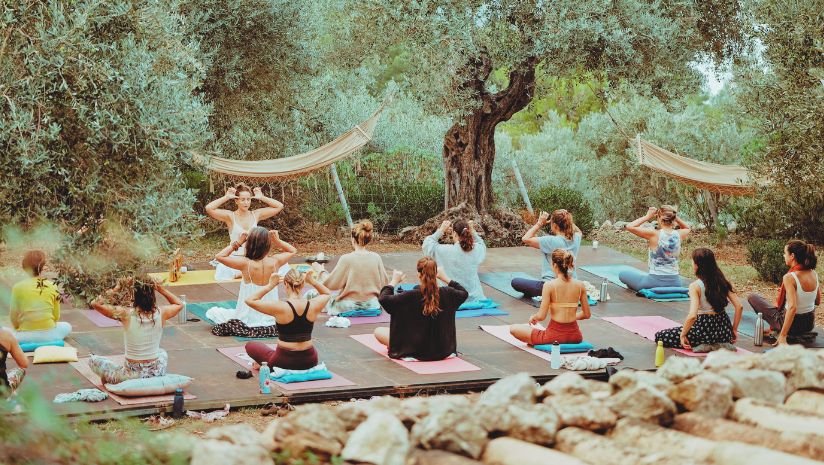
Teaching at yoga festivals and conferences allows you to connect with a diverse audience and share your teachings in a dynamic environment. These events offer a unique opportunity to engage with yoga students and other professionals while exploring different methods of teaching. You might be leading a traditional asana class, guiding a sound bath, or facilitating a kirtan session (yogic chanting). These events provide both exposure and creative freedom to express your unique style.
Why Teaching at Festivals & Conferences Can Be Amazing:
Things to Consider Before Jumping In:
Teaching at festivals and conferences can be a fulfilling way to expand your horizons and share your love of yoga with a broader community. It’s an exciting opportunity to grow as a teacher, make lasting connections, and explore new aspects of yoga.
15. Offer Yoga & Wellness Consulting

Yoga and wellness consulting is a path that lets you leverage your experience to help others. As a consultant, you can offer expertise in areas such as business management, website branding, marketing, retreat planning, and more. Whether you’re guiding new studio owners or helping established businesses grow, consulting allows you to share your knowledge while earning a steady income.
Why Offering Yoga & Wellness Consulting Can Be Amazing:
Things to Consider:
Consulting is a great way to use your skills while maintaining flexibility. If you’re passionate about teaching others, consulting can be an excellent fit, allowing you to earn money and make a significant impact.
Final Thoughts:
Your yoga teacher training is just the beginning of a vibrant, fulfilling career with endless possibilities. Whether you’re inspired to lead retreats, share your knowledge through writing, or create a space of your own, the key is aligning your work with your unique passions and strengths. Embrace the journey of experimentation, stay open to new growth opportunities, and build a sustainable, balanced life doing what lights you up.
Remember, the path you create is yours to design, so make it one that brings joy, purpose, and financial freedom. Keep moving forward, and trust that the right opportunities will flow your way.
Next Steps:
Which path speaks to you the most? Stay tuned for upcoming deep dives into each of these career options!